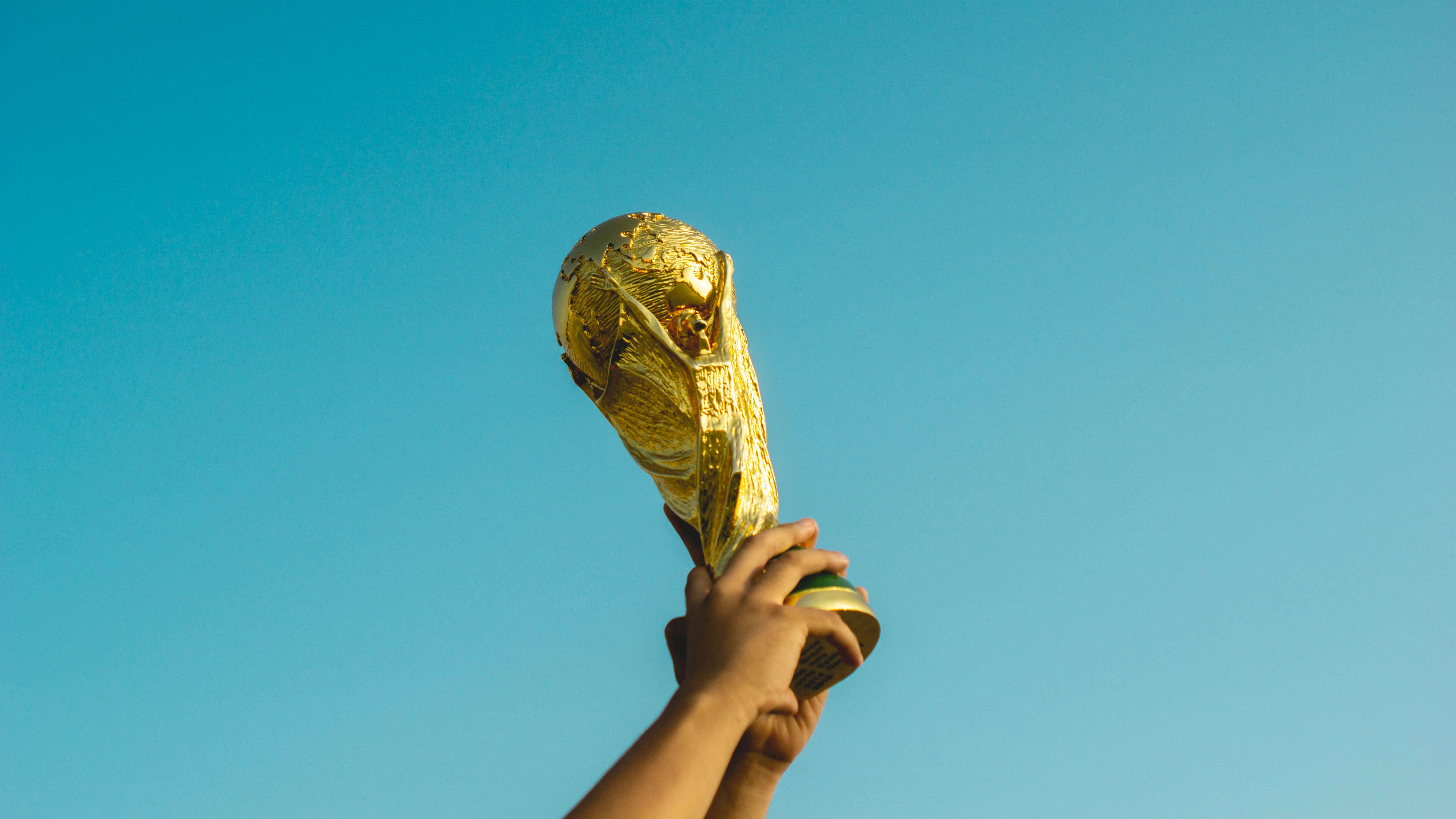

Spanish Excellence versus Argentinian Spirit: Which Quality Will Shine the Brightest in the World Cup Final?
After over a month of soccer, or football for the Europeans and South Americans, and what you’ve been waiting for is finally here. The World Cup final will be played this Sunday at MetLife Stadium in East Rutherford, New Jersey at 3 p.m. ET and it couldn’t be a more marquee matchup.
No. 2 ranked team by FIFA, Spain will face defending champions and No. 1 Argentina in the Meadowlands this weekend to decide which nation will lift the coveted FIFA World Cup trophy. Argentina will be looking to become the first national team since Brazil to repeat as champions and their fourth overall World Cup championship while Spain has advanced to its second final since 2010 and is looking for its second overall championship.
Road to the Final: Spain

Everyone saw Spain falter in their first game of this World Cup against Cape Verde. The underdogs managed to survive many good attempts on their goal and squeeze out a 0-0 draw against a nation ranked No. 2 in the world.
However, the last time the Spanish won the World Cup was 2010 and at that tournament, they lost their opening game to Switzerland 1-0. Spain reminded us of why they are ranked so high by crushing Saudi Arabia 4-0 and then showed class in defeating two-time World Cup champions Uruguay in their final group stage game.
In the knockout rounds, Spain cruised past Austria 3-0 in the round of 32 before encountering a real test against Cristiano Ronaldo’s Portugal. Still, Luis de la Fuente’s side prevailed 1-0 in the round of 16.
Spain then played Belgium who were flying high after defeating the co-hosts United States 4-1 in the round of 16. Spain got by the scrappy Belgians on a late goal that occurred when backup Belgium goalkeeper Senne Lammens yielded a rebound that Mikel Merino finished into the back of the net to put the Spanish into the semifinals of the World Cup for the first time since 2010, despite Spain qualifying for every World Cup since then.
Then came the French, cocky and having conceded just twice in the tournament up to that point, the French represented a major obstacle for the Spanish, but again the Spanish prevailed. A smart drawn foul by teenage superstar Lamine Yamal gave Mikel Oyarzabal the chance to put Spain in the lead halfway through the first half—and he did, driving a penalty kick into the side of the net. Then, the Spanish defended well and didn’t give France life, before adding on a goal in the second half to ensure they would reach their first Final since 2010.
Road to the Final: Argentina
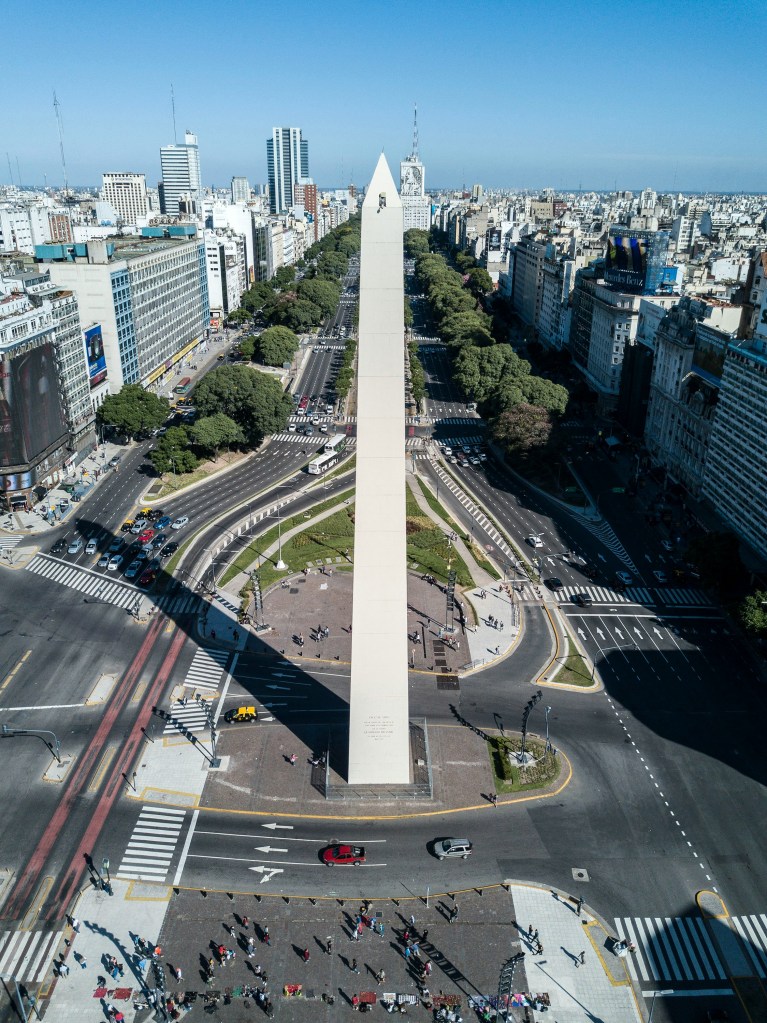
The defending world cup champions also ran into a determined and capable Cape Verde side like Spain did, but instead of in the group stages, they ran into them in the Round of 32. Cape Verde scored two nice goals but Argentina outdid those and advanced.
It looked like Argentina were going to be upset in the round of 16 when they ran into a well-balanced Egyptian side. The Egyptians even took a 3-0 lead but after it was determined they committed a foul before scoring, the goal was called back. Argentina then came back from 2-0 down and scored three goals after the 79th minute of regulation time to knock the Africans out.
In the quarters, Switzerland put up a little less of a fight, especially after losing Breel Embolo to a red card. The 10 men Swiss were no match for the fiery World Champs and bowed out by a score of 3-1.
The South Americans faced their stiffest test in the 2026 World Cup semifinals against England. There was a history between the two powerful soccer nations: the 1986 World Cup quarter-finals. It was in that game that deceased soccer legend Diego Maradona famously scored on the ‘Hand of God’ play when he illegally punched the ball over England’s goalkeeper with his hand and into the net. Argentina ended up beating England in that quarter-final by one goal and winning the World Cup.
England struck first in the 55th minute, but then they went into prevent defense mode and invited Argentina to tie the game in the 87th minute and then deliver the winning blow in stoppage time. That is how the Defending champions have comported themselves at this world cup: it wasn’t dominant but it stands to reason that one of the two teams that ended up in the final has been the most clutch, outscoring opponents 9-0 in the 75th minute or later.
How the teams play
Both teams have playmakers, ball-winners and talented attackers, which makes this a tasty matchup.
As for the Spanish, they hope to win games by dictating the tempo with possession and being too organized while in their defensive shape to break down.
Much of their play with the ball starts with their captain Rodri, who is simply one of the best midfielders in the world. At 6-foot-3, the Man City man is a danger on set pieces and good at winning the ball in the air. He is also a very gifted passer as are several of the Spanish starting midfielders, like Dani Olmo which makes them a very tough team to play against.
When you look at Spain, you see a team that moves together like clockwork. That holds onto possession by making accurate passes and having great positioning. That is capable of turning a pass on the edge of the box into a scoring opportunity in a flash.
That is what they did against France—they completely shut out a team that had scored 16 goals in six matches at this World Cup, and sent them packing with organization and discipline.
Argentina on the other hand are a tornado of passion, attacking flair and energy. The passion is in their fanbase and how they celebrate goals. You saw it on display against England and throughout this World Cup and few national teams can match it.
Then their attacking flair comes from several players but mainly their captain Lionel Messi. Let’s be honest though, Messi does more than show flair, however, because he has incredible soccer IQ and quickness as well as passing and shooting accuracy. He assisted both goals for Argentina in the semi-finals and has 12 goal contributions at this World Cup.
Lastly, their energy. When you watch Argentina in a World Cup game, you believe they want to win more than anything else. It is evident in the way they press; with intensity and speed. If they lose the ball, they’re going to get it back in short order- it’s just how Argentina play and few teams can deny them that. Enter Spain, who’s abilities with the ball and against the ball will be a tall order for Argentina, who have not faced an elite team such as Spain yet at this World Cup.
Focusing on the deeper tactical matchups that will be present in this World Cup, one of the key matchups will be between the Spanish teenage superstar Lamine Yamal and Nicolas Tagliafico, the Argentine left full back. Yamal has enjoyed a great connection between himself and Pedro Porro Spain’s right-back, as the two have overloaded the opposition’s left flank consistently throughout this tournament. The key here for Spain is getting Yamal some room to attack and the key for Argentina will be denying Spain that room.
Another key tactical matchup is Argentina’s central midfield vs Spain’s defensive midfield. The “best in the world” Rodri and Fabian Ruiz will go head-to-head with Argentina’s Alexis Mac Allister and Enzo Fernandez. Fernandez is flying high after his goal in the semi-final, but does he possess the intelligence and discipline to win the battle in the midfield against the best midfielder in the world in Rodri?
The last key matchup is between one of the best players in history Messi and Spain’s center back partnership: Aymeric Laporte and Pau Cubarsi. Spain has been stingy defensively at this World Cup and have surrendered just one goal which has made them the best defensive team at this World Cup. Conversely, Argentina have conceded seven goals and six of those seven in the knockout stages.
Messi likes to lull the opposition into a false sense of complacency by walking around and making himself not seem like a threat—but he is always a threat. His game is to drift into pockets of space before he gets the ball and then directs the Argentine attack by feeding attacking midfielders like Julian Alvarez and striker Lautaro Martinez with service. Spain are great at breaking up plays before they get close to their 18-yard box so it will be interesting to see how this matchup plays out on Sunday.
Messi is a difficult player to track but the 19-year-old Cubarsi and 32-year-old Laporte showed they could do it against Kylian Mbappe, so why can’t they do it to Messi?
Conclusion
It’s going to be a close game. Both teams are evenly matched in talent and guile, although I think the Argentinians have a little more guile. The Argentinians came from behind to win their round of 16 and semi-final matches which showed a lot of fortitude. Spain on the other hand have not trailed a single minute throughout this tournament and the last time they were in a truly tight game was against Uruguay in their final group stage match on June 26.
As the saying goes, “everyone has a plan until they get punched in the mouth.”
Will Spain lose their composure if Argentina deliver them a blow in the first half Sunday? Time will tell.
 Anthony Paradiso